
Article also available in the following languages:
How Long Do Real Wood Wall Panels Last and How to Care for Them
An honest answer to the most common question we hear before purchase — and the simplest care routine you can imagine.
A quick answer first
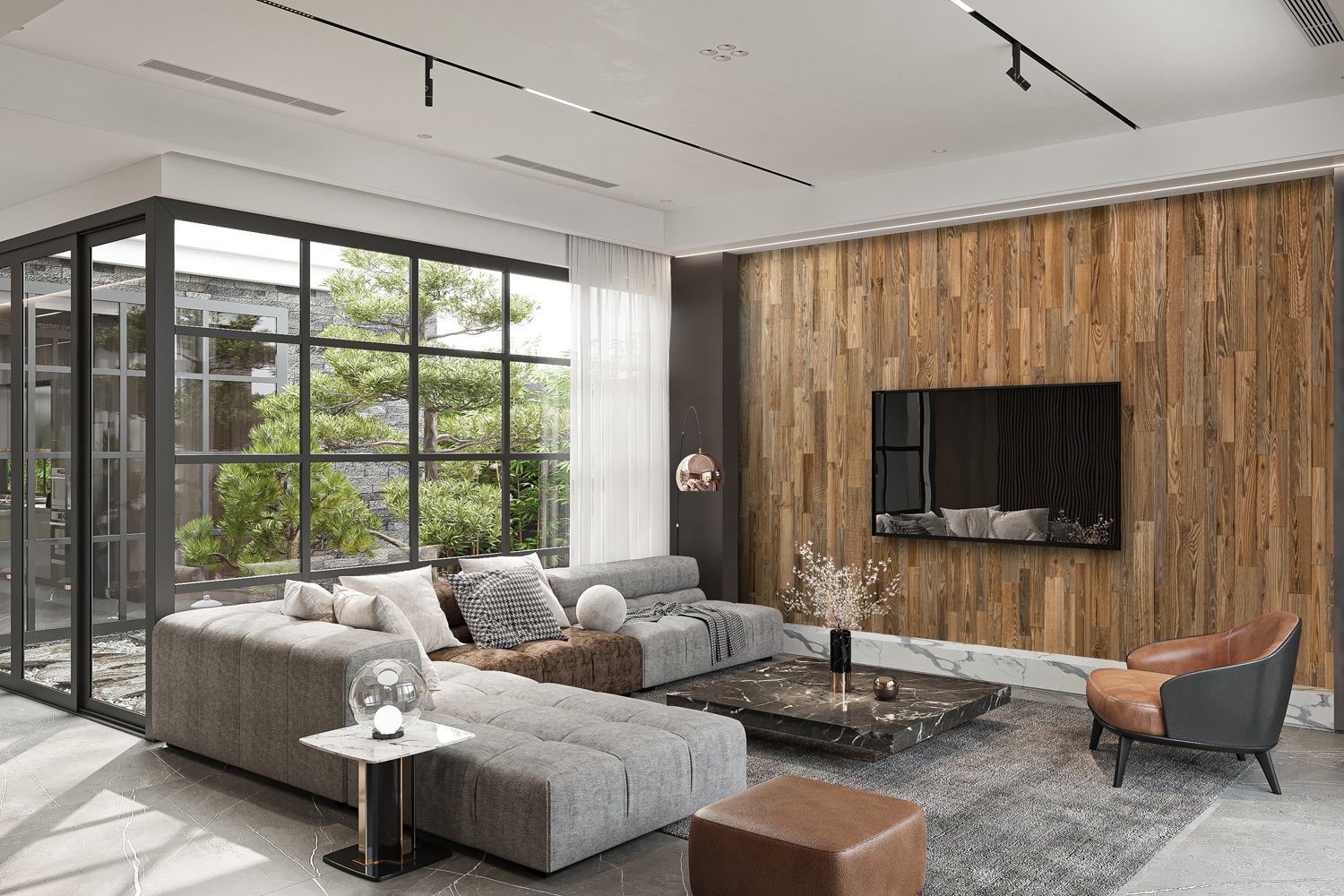
Our real wood wall panels are designed to last for decades — and indoors, practically a lifetime. Wood as a material survives for centuries inside heated, dry buildings. That is why you can still walk through European homes built 200 or 300 years ago and see their original wooden interiors exactly where they were installed.
What sets our panels apart from most on the market is that they are delivered as clean, untreated real wood — no lacquer, no oil, no factory coating. There is nothing on the surface that can wear down, peel, or yellow over time. The wood itself is the finish.
In this guide, we'll cover the panel types we offer, how long they actually last, the four-step daily care routine, what to do about humidity and direct sunlight, and the five mistakes to avoid.
Our panel types — all are made from real wood
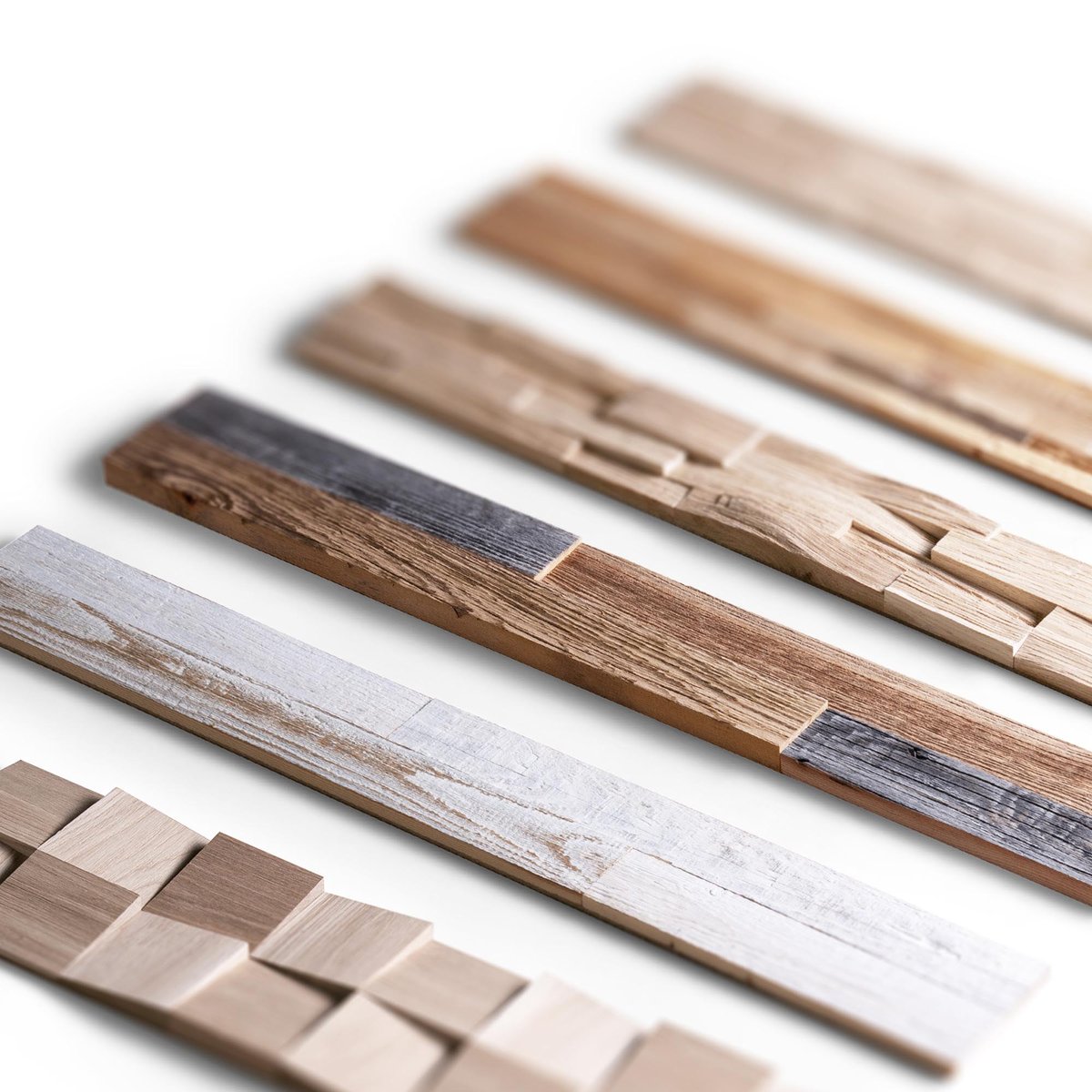
All our wall panels are made from real wood. The only differences are in their construction and which wood is used.
-
Type 1 — 100% reclaimed antique wood, one piece.
Made entirely from old, reclaimed wood gathered from historic buildings, barns, and farm structures in clean rural environments. Each board is a continuous piece of antique wood with a natural surface formed over decades — sometimes centuries — by sun, rain, and frost.
-
Type 2 — 100% oak, one piece.
A continuous solid oak board. Clean, contemporary oak surface with a pronounced grain pattern.
-
Type 3 — Antique wood or oak, glued together from multiple pieces, no backing.
Several pieces of real wood are joined together to form a larger panel or a specific decorative pattern. There is no backing — the entire panel is real wood from front to back.
-
Type 4 — Fine antique wood or oak details on a fibreboard base.
Thinner, shorter pieces of real wood are glued to a fibreboard panel (hardboard / HDF), which is itself made from wood fibres. These panels offer a more pronounced 3D pattern made from small real-wood pieces while being lighter than fully solid-wood panels.
All four types share the same care routine and a comparable lifespan. In indoor conditions, the fibreboard base is just as stable and requires no special attention.
How long do real wood wall panels last?
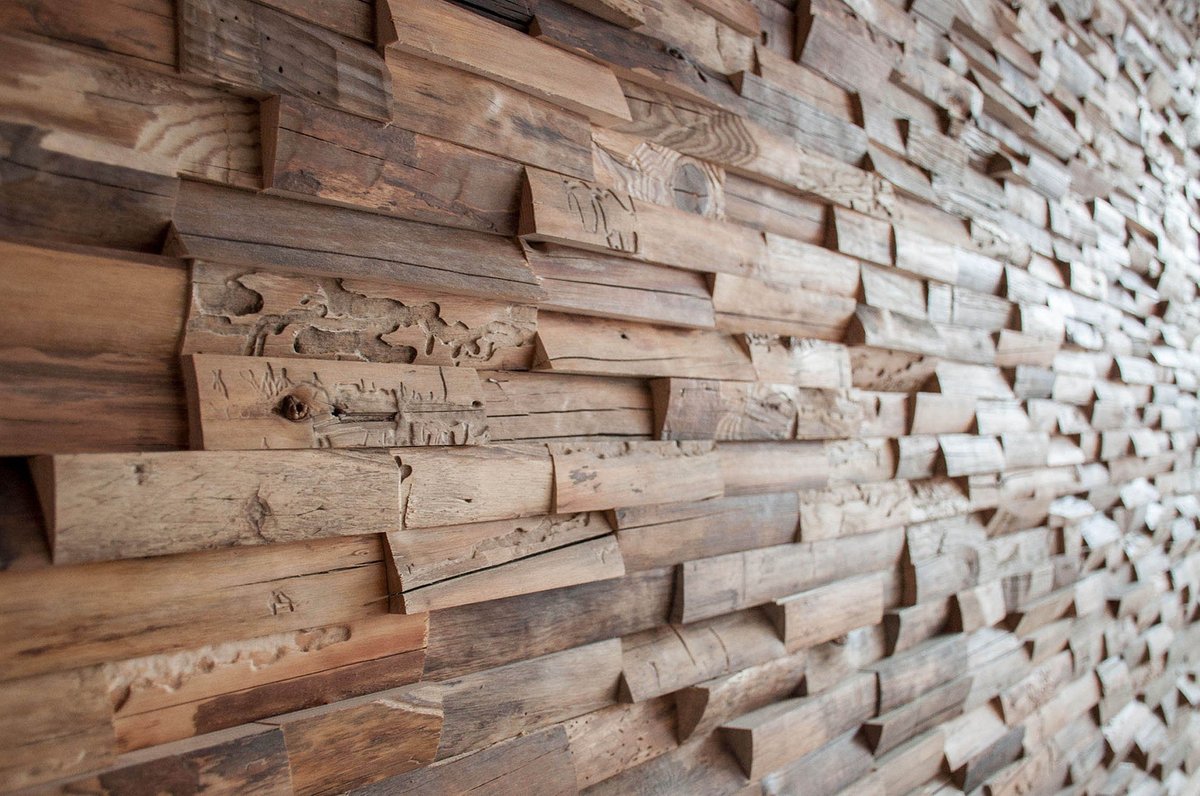
IIndoors, the honest answer is: as long as the building itself stands. Real wood interiors have no meaningful expiration date in a stable indoor climate. This is confirmed by historic European castles, churches, and farmhouses, where original wooden ceilings and walls remain in their original condition 200 or more years later.
There are three reasons our panels reach this kind of lifespan:
-
They have a real wood surface, not a decorative imitation.
No films, no painted plastic that loses its look after a few years. The wood itself is what stays visible over the decades.
-
There is no coating that can wear out
Lacquered or oiled panels eventually need their surface restored — the lacquer cracks, dulls, or shifts in colour. Our panels simply don't have this problem, because the surface is the wood itself.
-
Indoors, wood is in its natural environment
Stable temperature, no rain, no intense outdoor sunlight, no freeze-thaw cycles. The conditions that age wood outdoors simply don't exist inside.
Reclaimed antique wood has one small advantage: it has already spent 50 to 150 years in harsh outdoor conditions, developing its unique character, and it reacts to seasonal humidity changes less than fresh oak. That said, all four panel types last practically indefinitely indoors.
Daily care — four simple steps
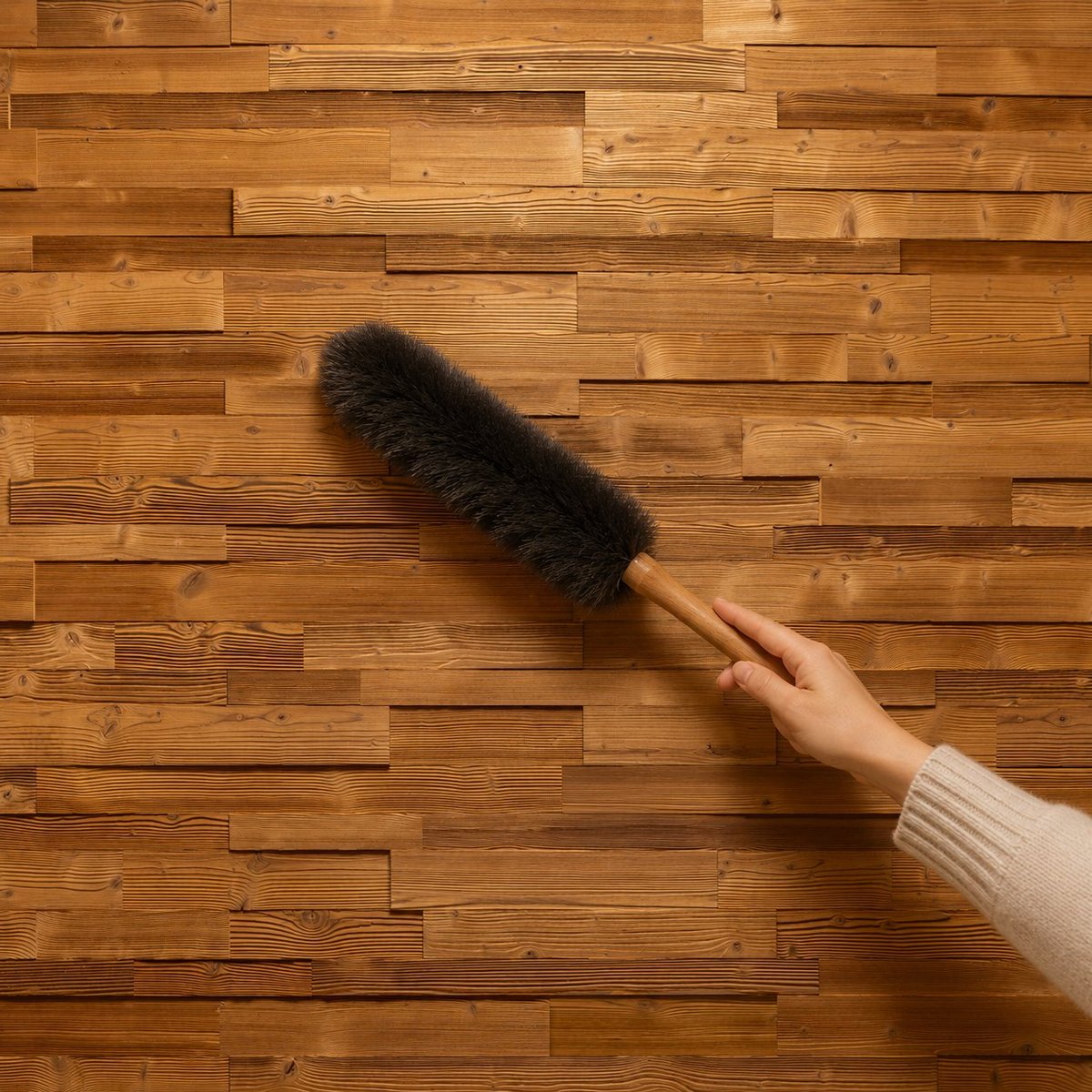
The same routine works for all our panels — whether antique wood in one piece, oak, a glued panel, or one with a real-wood surface on a fibreboard base.
-
Step 1 — Dust them.
Use a dry microfibre cloth, an antistatic brush, or a soft brush attachment on your vacuum cleaner. Once a week is enough for a normal household.
-
Step 2 — Wipe off light marks.
Use a damp (not wet) microfibre cloth with plain water. Always wipe in the direction of the wood grain, never against it.
-
Step 3 — Tackle tougher marks.
Use a few drops of pH-neutral soap in warm water on a damp cloth. Follow with a second wipe using clean water to remove any soap residue.
-
Step 4 — Dry the surface.
Immediately after damp cleaning, run a dry cloth over the panel. Real wood tolerates moisture, but a surface that stays wet for hours is not its preferred state.
That is the entire care routine. No polishes, waxes, or special wood cleaners are required.
Humidity, temperature, and sunlight
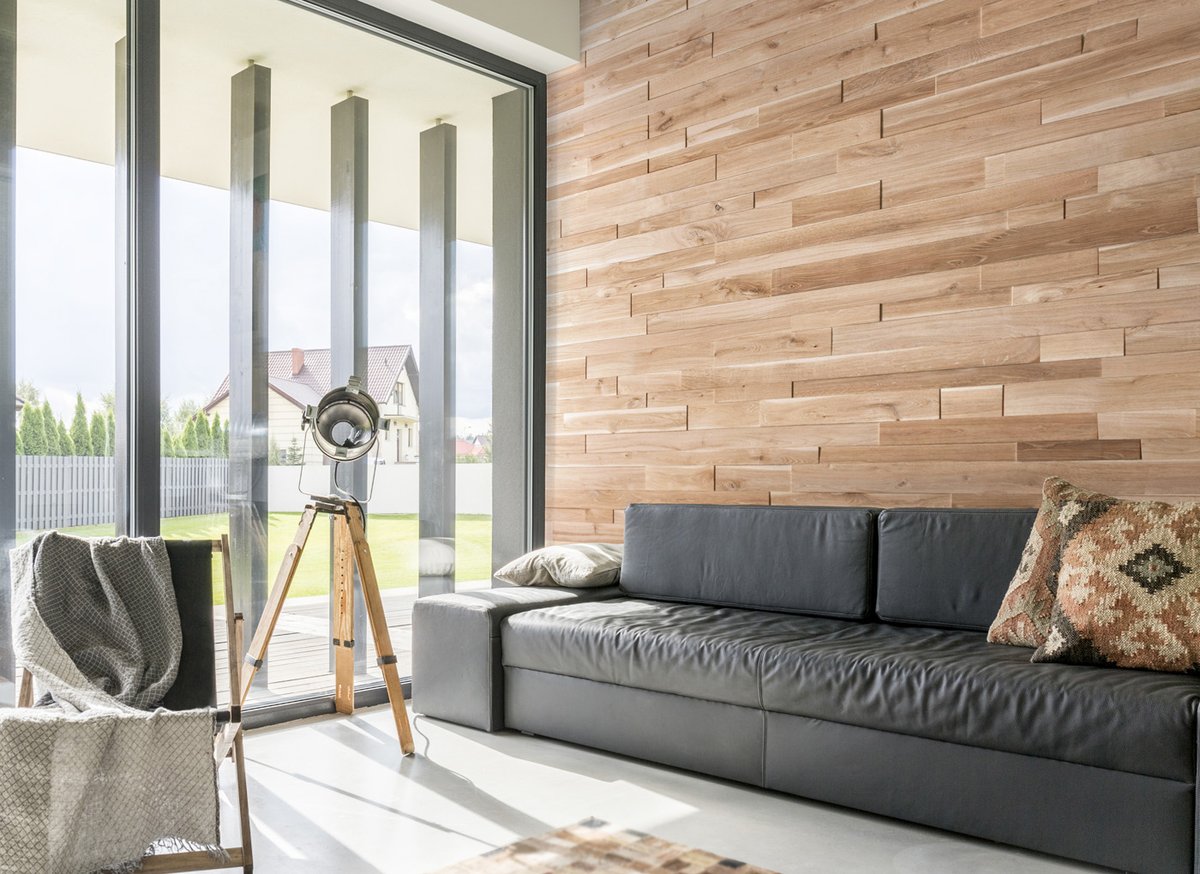
Real wood is a living material — it breathes with the room. Three numbers are worth keeping in mind:
-
Indoor humidity: 40–60% is the comfort zone for both you and the wood.
-
Temperature: 18–24 °C is ideal year-round.
-
Seasonal movement: small hairline gaps that appear in winter and close again in summer are completely normal. That's the wood doing exactly what wood is supposed to do — not a defect.
In homes with strong central heating in winter, a simple room humidifier helps — it stops humidity from dropping below 35%, when the air starts to become too dry for wood.
About direct sunlight. If a wall with panels sits in strong direct sunlight for long periods — for example, next to a large south-facing window without curtains — the wood can gradually lighten over 1 to 3 years. This is a natural UV reaction, not damage to the material. In most rooms the effect is barely noticeable, because direct sunlight only reaches the wall for a few hours per day. If you want to preserve exactly the tone you see on installation day, curtains, blinds, or UV film on large south-facing windows will do the job.
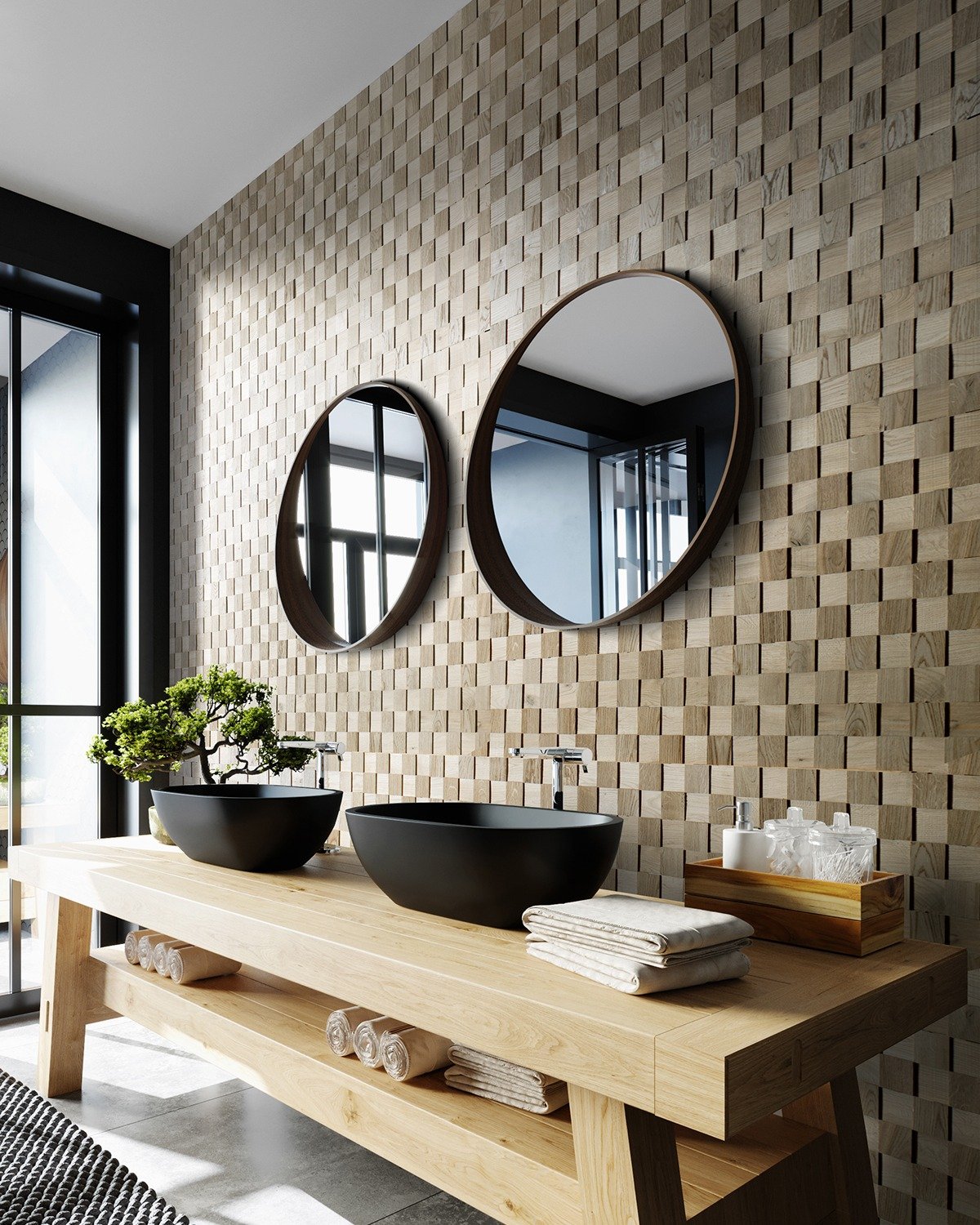
As for bathrooms and kitchens — real wood handles those rooms better than most people expect, provided ventilation is good. We'll cover this topic separately in another article.
You don't have to, but if you want to — oil, wax, or lacquer
Our panels arrive at your home exactly as they leave the workshop: untreated, breathable, and ready to install. This is a deliberate choice. A natural real-wood surface needs no maintenance schedule, no restoration every five years, no fresh coats — it simply ages beautifully.
That said, some customers prefer to add their own finish — usually because they want to lock in a specific tone, give the wood a slight sheen, or add extra protection against stains. All three options are perfectly acceptable:
-
Natural wood oil brings out the grain and slightly deepens the colour. It penetrates the wood without forming a thick surface layer.
-
Wax gives a warm, soft sheen and lightly protects the surface from dust. It needs reapplying periodically.
-
Matte clear lacquer preserves the current tone and adds a thin protective layer. It protects against stains best.
If you decide to do this, the best time is before installation or immediately afterwards — never years later, once the panels carry the marks of daily life. We don't apply any finish at the workshop, but our panels are fully compatible with any standard interior wood treatment.
Five mistakes to avoid
-
Cleaning with a wet cloth or sponge. Water that lingers in the seams or along the edges soaks in over time. The rule is: damp, not wet.
-
Strong chemical cleaners — ammonia, bleach, chlorine, alcohol-based sprays. They ruin the natural wood surface and can leave permanent discolouration.
-
Abrasive sponges and pads with rough sides. Real wood scratches just like parquet flooring — those marks are not easy to remove.
-
Hours of strong direct sunlight without curtains. Over 1 to 3 years the wood will visibly lighten. It's not a defect, but it is avoidable.
-
Furniture pressed directly against the wall with no gap. Leave a 2 to 5 mm clearance so the wood can breathe and airflow stays even.
Frequently asked questions
Can I sand or repaint real wood panels after 10–15 years?
Yes — panels without a backing (Types 1–3) can be freely sanded, stained, or repainted. For panels on a fibreboard base (Type 4), sanding should be done more carefully because the top layer is thinner and made of smaller pieces — it's better to limit yourself to a light polish or an oil application.
Will my dog or cat damage the panels?
Normal pet behaviour is perfectly fine. Sharp claws repeatedly dragged across the same spot can leave scratches — just as they would on a wooden floor. The solution: a small rug or piece of furniture at your cat's or dog's favourite spot.
Can I install panels behind a stove or fireplace?
Directly behind — no. Keep at least the manufacturer's recommended clearance from heat sources, usually 30 to 50 cm, or use a heat-resistant backing panel. Our panels are wood and should be treated as such near open flame.
Do panels need to be treated with oil or wax every year?
No. Our panels are untreated and require no annual maintenance routine. That is precisely why we leave them natural.
Do panels with a real-wood surface on a base last as long as fully solid-wood panels?
Indoors — yes, practically as long. The fibreboard base is stable in a dry room and doesn't lose its shape. The only difference is that the top layer is thinner, so it should be treated like any real wood surface, without aggressive sanding.
In short
Real wood wall panels are one of the lowest-maintenance interior finishes you can choose. They last for decades — practically indefinitely indoors — they need no restoration, and the entire care routine boils down to three steps: dust, damp wipe, dry. The wood handles the rest.
